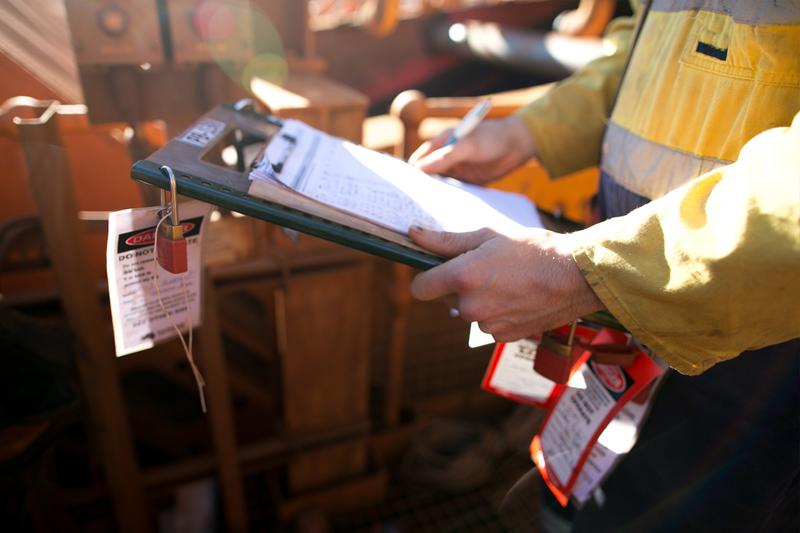
Planning permit. Do you need one?
If you've decided to build and you're staring at words like planning permit, development application, and Design and Development Overlay wondering where to start, you're in the right place.
This covers what a planning permit is, when you need one, how the Victorian planning permit process works, and how RD Building Design can take most of it off your plate.
What goes into a Townplanning application
A Townplanning application requires a clearly drawn plans showing existing site conditions, property boundaries, and proposed works drawn to scale. Depending on your council, zone, and overlays, you may also need a planning report or other supporting documents. Getting this right at lodgement avoids a request for further information that can add weeks to your timeline.
Because RD Building Design prepares the documentation, they can ensure a seamless transition between the planning permit and building permit stages.
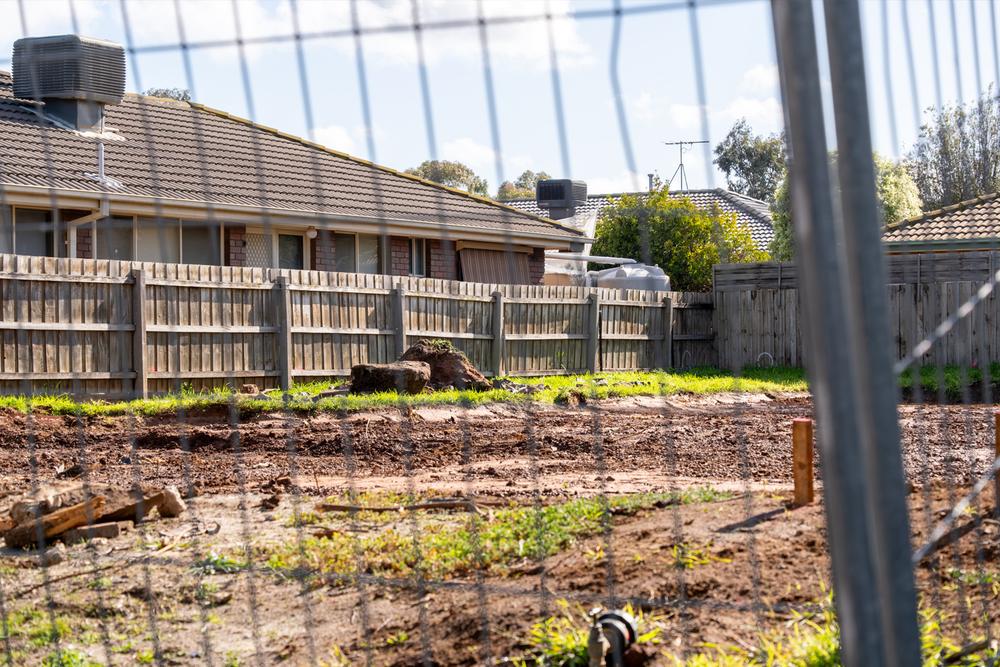

The process
Pre-application
A meeting with council before lodgement can surface issues early, which is worth doing for sites within a DDO or other overlay.
Lodgement
Your development application is submitted with all required documentation and the applicable fee. Assessment. Council reviews the application against the planning scheme, contacts any referral authorities required, and manages the objection period if the application is advertised.
Decision
Council issues a planning permit, a notice of decision, or a refusal. Conditions are common and manageable. Building permit. Once your planning permit is in hand, your building surveyor can issue the building permit and oversee the construction phase.
Building permit
Once your planning permit is in hand, documentation for the building permit can commence.
What happens if council says no
A refusal is not the end of the road. The Victorian Civil and Administrative Tribunal (VCAT) is the independent appeals body that reviews planning decisions across Victoria. If your application is refused, or if permit conditions are unacceptable, you have 60 days from the decision date to apply for a VCAT review.
VCAT considers the application from the beginning, independent of the original council decision. Most applicants never need it, because a well-prepared development application gives council what it needs to approve the project from the start. RD Building Design works with experienced town planners who build applications that perform at council and can represent your project at VCAT if it comes to that.
RD Building Design handles this every week
Managing planning permit applications across Melbourne's western suburbs is a regular part of what we do. We prepare the site plan and architectural documentation, coordinate with town planners and your building surveyor, and keep the process moving on your behalf.
Imagine reaching the point where your planning permit is approved and your builder is ready to go, with the paperwork and the council correspondence handled. That's what working with RD Building Design looks like.

Ready when you are
Most planning permit questions have straightforward answers once someone looks at your specific site and what you're proposing to build. Book a free initial conversation with Rhys and leave with a clear picture of what your project actually needs.