How long does it take to build a house in Melbourne?
What each phase of a new Melbourne build actually involves, how long each one realistically takes, and where projects lose time they never get back.
Oct 6, 2025 | Rhys Davies
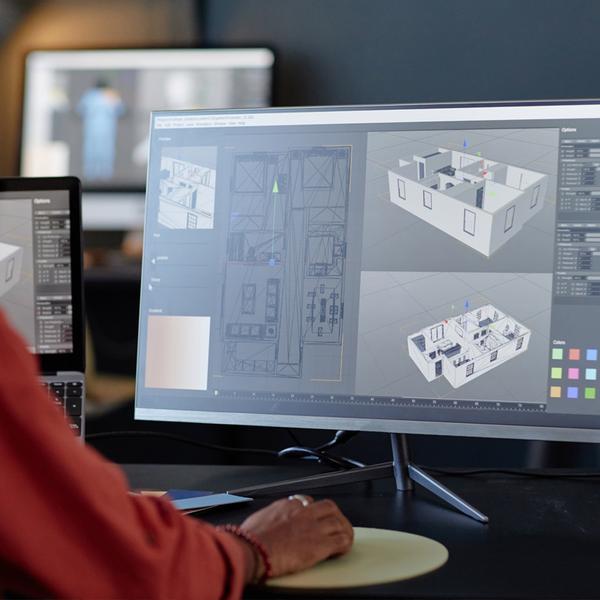
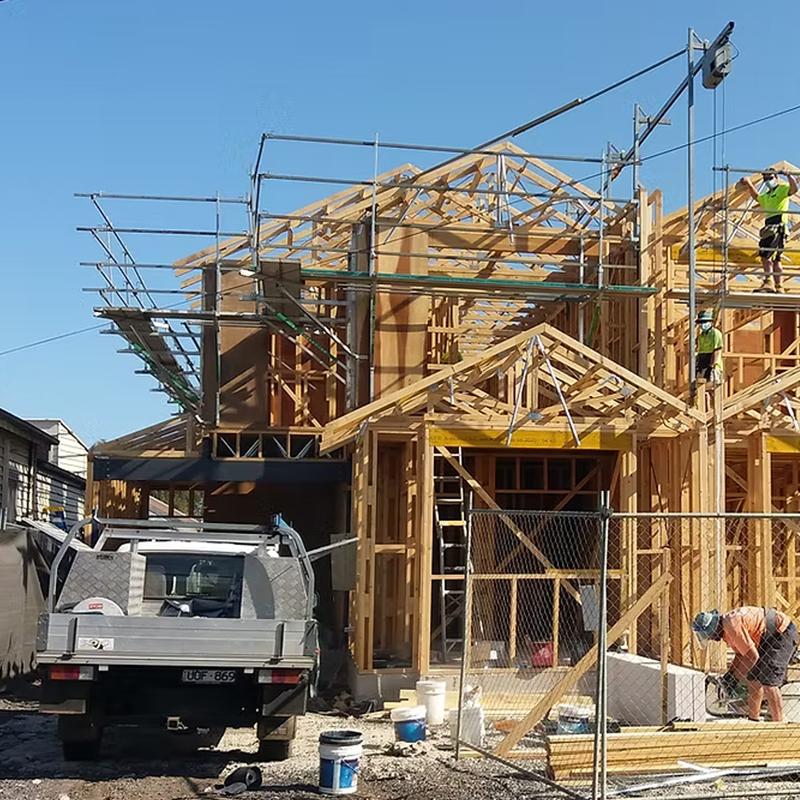
Table of contents
- Why the timelines you find online are usually wrong
- Phase one: design
- Phase two: planning and building permits
- Phase three: construction
- What actually blows out your total timeline
- The phase nobody tells you about
- Where RD Building Design fits into your timeline
Most people asking this question have already done a bit of research and found the stock answer, somewhere between six and eighteen months. That figure is not wrong, but it is only describing the construction phase. If you are planning a new build in Melbourne and you want to know how long the whole thing takes, from the moment you first sit down with a building designer to the day you get your keys, the honest answer is closer to eighteen months to three years. And for projects that run into planning complications, it can stretch well beyond that.
This is not meant to be discouraging. The building process in Victoria has more stages than most people realise going in, and the stages before construction begins, design, council approvals, and building permits, are where most of the variation lives. Understanding what those stages involve, and roughly how long each one takes, lets you plan your life properly. It also lets you spot early warning signs if things are starting to drag.
| Phase | Typical Timeline | Can Blow Out To |
|---|---|---|
| Design | 2 to 5 months | 8+ months |
| Planning permit (if required) | 3 to 6 months | 12+ months (VCAT) |
| Building permit | 2 to 6 weeks | 3+ months |
| Construction | 8 to 14 months | 2+ years |
| Total | 18 to 24 months | 3 to 4 years |
Why the timelines you find online are usually wrong
Volume builders advertise build times because that is the part they control. When a company says build your home in twelve months, they are counting from when the slab goes down, not from when you first started thinking about the project. By that point you have already spent six to twelve months on design, approvals, land registration, and a dozen other pre-construction requirements. The construction phase is the visible tip of a much bigger process.
Custom home builds, rebuilds, and projects that need a planning permit are even further removed from those advertised timelines. Each of those involves a genuinely unpredictable approval phase that no builder or designer can fully control, because it sits with your local council.
Phase one: design
Design is the phase most people underestimate, and it is also the phase where getting things right pays dividends for every step that follows. A well-prepared set of plans moves through building permits faster, attracts more accurate builder quotes, and causes fewer problems on site. Cutting corners here to save a few weeks almost always costs more time later.
For a straightforward new house or knockdown rebuild, the design phase typically runs two to five months. That covers initial concept work, developed design, structural coordination, and the production of working drawings detailed enough to lodge for permits and send to builders for pricing. For more complex projects, heritage overlays, challenging sites, dual occupancy, add more time.
The design phase also includes any pre-design site analysis. Before a single line gets drawn, a good building designer will work through what your site allows, zoning, overlays, setback requirements, site coverage limits, and any covenants on the title. Skipping this step and discovering mid-design that your planned second storey breaches a Design and Development Overlay is an expensive way to restart the process.
| Variable | Detail |
|---|---|
| Typical duration | 2 to 5 months |
| Longer for | Heritage overlays, dual occupancy, complex or sloping sites |
| What it covers | Site analysis, concept design, working drawings, structural coordination |
| Why it matters | Well-prepared plans reduce permit delays and produce more accurate builder quotes |
Phase two: planning and building permits
This is where Melbourne timelines diverge most dramatically from what people expect, because there are two separate approvals you might need, a planning permit and a building permit, and they are not the same thing.
Planning permits
Not every new home in Victoria needs a planning permit. If your site sits in a standard residential zone without any significant overlays, you might be able to proceed straight to a building permit. But if your property has a heritage overlay, a Design and Development Overlay, sits near a flood plain, or involves a dual occupancy or subdivision, a planning permit is required first.
Standard planning permit applications in Melbourne typically take three to six months to assess. Council has 60 days to issue a decision on most residential applications, but objections from neighbours, requests for additional information, and internal referrals can all extend that significantly. Some councils in Melbourne’s western suburbs are faster than others, and it is worth knowing your local council’s track record before you plan your schedule.
VicSmart applications are a fast-track category for lower-impact projects and can be decided in 10 business days. Your building designer can advise whether your project qualifies.
If a decision goes to VCAT, either because council refuses the permit or because a neighbour appeals an approval, add another six to twelve months to your planning timeline minimum. This is not common for straightforward residential projects, but for dual occupancy applications and anything in a heritage area, it is a real risk worth factoring in.
Building permits
Once your planning permit is in place (if one was required), and your working drawings are complete, your building surveyor issues your building permit. In Victoria this is a private process, you appoint a registered building surveyor rather than going through council, and for a well-prepared application it typically takes two to six weeks. For a complex build or an application with missing documentation, it takes longer.
The building permit is what gives your builder legal authority to start work. Nothing on site can move until it is issued.
| Permit type | Who assesses it | Typical timeframe | Fast-track option |
|---|---|---|---|
| Planning permit | Local council | 3 to 6 months | VicSmart (10 business days for eligible projects) |
| Building permit | Private building surveyor | 2 to 6 weeks | Not applicable |
Phase three: construction
Construction is the phase people picture when they imagine building a house, and it is also the most variable. In Victoria, construction progress is tracked through five standard stages, base (slab), frame, lockup, fixing, and completion, because these are the stages tied to your bank’s progress payment drawdowns.
For a volume builder on a straightforward flat lot in a new estate, construction from slab to handover can genuinely be completed in eight to twelve months. For a custom home on an established block in an inner or middle suburb, fifteen to eighteen months is more typical. Larger or more complex projects, two-storey homes, challenging sites, high-spec finishes, routinely take longer.
What slows construction down most often is not the actual building work. It is trade availability, materials lead times, variations ordered mid-build, and weather. The past few years have shown just how fragile construction supply chains can be in Australia, and anyone planning a build should factor in a buffer of at least two to three months beyond whatever their builder quotes.
| Stage | What it covers | Typical % of contract |
|---|---|---|
| Base | Slab or footings complete | 10 to 15% |
| Frame | Wall and roof framing complete | 15 to 20% |
| Lockup | External walls, windows, doors in | 20 to 25% |
| Fixing | Internal fit-out, linings, joinery | 20 to 25% |
| Completion | Practical completion and handover | 10 to 15% |
What actually blows out your total timeline
The honest answer is usually not a single catastrophic event but a series of smaller delays that compound. A soil test that reveals reactive clay adds engineering time. A planning objection from a neighbour adds months. A builder who is booked solid for six months after you have finalised your plans adds more. None of these are unusual, and most of them are difficult to avoid entirely.
The things you can control are how well-prepared your plans are when they go to permit, how thoroughly your site has been assessed before design begins, and how carefully you have chosen your builder. Projects that start with thorough site analysis, solid design documentation, and a realistic builder relationship tend to run closer to the minimum timeframes. Projects that skip the groundwork or underestimate the permit phase almost always end up at the longer end.
One delay category that catches a lot of people off guard is covenant restrictions on the title. A restrictive covenant that prohibits a certain type of construction, a minimum floor area requirement, or a restriction on materials can completely change what you are allowed to build, and if it is not identified before design begins, you might be redesigning from scratch partway through the process. A Section 173 agreement can similarly restrict what council will approve. These documents are part of the Section 32 your conveyancer provides before you settle, but they are rarely explained in plain terms, and a conveyancer will not interpret what they mean for your building plans.
The phase nobody tells you about
Before design even starts, there is a preliminary question that deserves proper attention: what does your site allow? This is different from what you want to build. Zoning, overlays, easements, lot size, and site coverage rules all shape what a council will approve, and the constraints are not always obvious from a standard title search.
Getting a proper site assessment done before you engage a building designer, or before you purchase a property if you are buying to build, can save months of rework and thousands of dollars in design fees spent chasing something the site will not support. At RDBD we provide this as a standalone service, so you are not committing to a full design engagement before you understand what you are working with.
Where RD Building Design fits into your timeline
RDBD handles everything up to the point where your builder starts work. That means site analysis, design, planning permit applications where required, and building permit documentation. We do not build, which is a deliberate choice, because it means our focus stays entirely on getting the approvals right.
For a typical new house or knockdown rebuild in Melbourne’s western suburbs, the design and permit phase we are involved in usually runs six to twelve months depending on the site and whether a planning permit is needed. Construction from there is your builder’s domain, and we can introduce you to builders whose quality and communication style match what your project needs.
Frequently Asked Questions
Can you start building a house in Victoria before the planning permit is approved?
No. Construction cannot begin until both a planning permit (where one is required) and a building permit are in place. The building permit is the legal authority for construction to start, and a building surveyor will not issue a building permit until any required planning permit has been granted. Attempting to begin work before permits are in place creates serious legal and financial exposure. The BPC and local councils can issue stop-work orders, require demolition of non-compliant work, and issue fines. Beyond the legal risk, work done without a permit creates a documented compliance problem that will surface when you try to sell the property or make an insurance claim. Some site preparation work, like soil testing and surveying, can happen during the planning phase because it does not constitute building work, but any physical construction of the building itself must wait.
How long does a VicSmart planning permit take in Melbourne and what projects qualify?
VicSmart is a streamlined planning permit pathway in Victoria for lower-impact applications, with a statutory decision timeframe of 10 business days from lodgement. That is roughly two calendar weeks, compared to the 60-day standard assessment period for regular planning permit applications. Not all residential projects qualify. VicSmart applies to straightforward applications for things like small extensions in residential zones, minor works in heritage overlays that meet certain criteria, and some fencing and outbuilding applications. Projects that involve dual occupancy, significant heritage considerations, overlapping overlays, or third-party notice requirements generally do not qualify and must go through the standard permit pathway. Your building designer will be able to tell you quickly whether your project is eligible, and it is worth confirming before you plan your schedule around a 10-day decision.
What happens to a building project if the builder goes into administration during construction in Victoria?
Builder insolvency is a genuine risk in Victoria, and the post-COVID period produced a significant number of cases that left homeowners with half-finished builds and substantial financial exposure. Domestic building insurance, also known as builders warranty insurance, is a compulsory requirement in Victoria for residential building work over $16,000. It is supposed to protect homeowners if the builder dies, disappears, or becomes insolvent before completing the work. In practice, making a claim can be a slow and complicated process, and the insurance covers costs to complete the work up to policy limits that may not reflect current construction costs. If your builder enters administration mid-build, the first step is engaging a lawyer who specialises in building disputes to advise on your specific contract and insurance position before you take any action. The HIA and MBA both have resources for homeowners in this situation, and Consumer Affairs Victoria provides guidance on navigating the domestic building insurance claim process.
Does buying a property with an existing house affect how long a knockdown rebuild takes compared to building on vacant land?
Yes, in a few ways. A - on an established suburban block in Melbourne typically involves demolition as an additional step before construction can begin, which adds time and cost. Demolition of a standard house takes one to two weeks of actual work, but the lead time to engage a demolition contractor, obtain the relevant permits, and arrange disconnection of services by the relevant utilities can add four to eight weeks to the pre-construction phase. Heritage overlays and significant vegetation on the site add further complexity, and some council areas in Melbourne's western suburbs require a planning permit for demolition where a heritage overlay applies. On the permit side, a knockdown rebuild on an established suburban block is more likely to need a planning permit than a build on a new estate lot, because established areas are more frequently affected by overlays and neighbourhood character considerations. This is worth factoring into your timeline from the start, particularly if you are living in the existing house and planning to vacate at a specific point.
Is the design and permit timeline different for a dual occupancy compared to a single new house in Melbourne?
Yes, and the difference is significant at the planning permit stage. A single new house on a standard residential site in Melbourne can often proceed without a planning permit if the design complies with ResCode requirements. A dual occupancy, two dwellings on one title, almost always requires a planning permit regardless of compliance with ResCode setback and coverage requirements, because the planning scheme in most Melbourne residential zones specifically triggers permit requirements for two or more dwellings on a lot. The planning permit process for a dual occupancy is also more likely to attract neighbour objections and more detailed council scrutiny than a single dwelling, which increases the risk of an extended assessment period or a refusal that requires VCAT appeal. On the design side, a dual occupancy requires more complex documentation to resolve how the two dwellings share the site, manage access and services, and address overlooking between the structures. The design phase for a dual occupancy typically runs a month or two longer than for a comparable single dwelling, and the overall timeline from start to construction is realistically twelve to eighteen months in the best case.
The information provided is for general information purposes only and does not constitute legal, financial, or professional advice. While care has been taken to ensure accuracy, the information may not be complete, current, or applicable to your specific situation. You should always do your own research and, where appropriate, seek advice from a qualified professional before making any decisions based on this information.
Recent Blog Posts

Tell us what you are planning
RD Building Design, a registered building designer, prepares designs and manages permits for new homes, knockdown rebuilds, and dual occupancy projects across Melbourne's western suburbs. If you are trying to understand what your site allows and how long your project is likely to take, a site assessment is the right place to start.