Musings on energy: The real cost of power (and the best way to save it)
The best source of electricity is the power we don’t use
Jul 5, 2026 | Rhys Davies
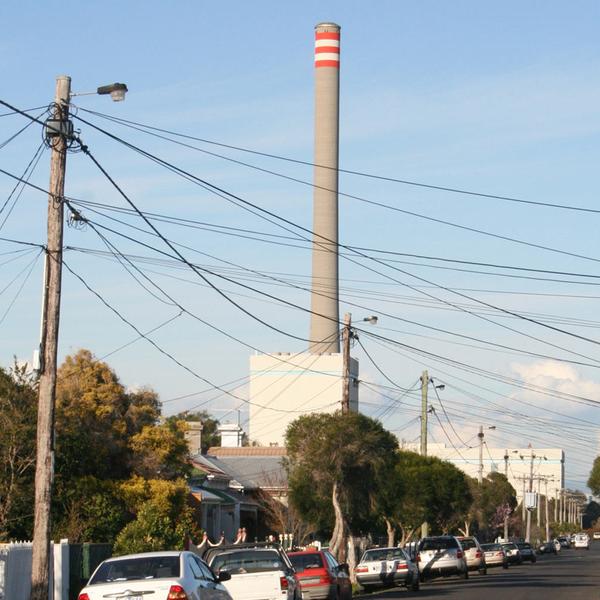
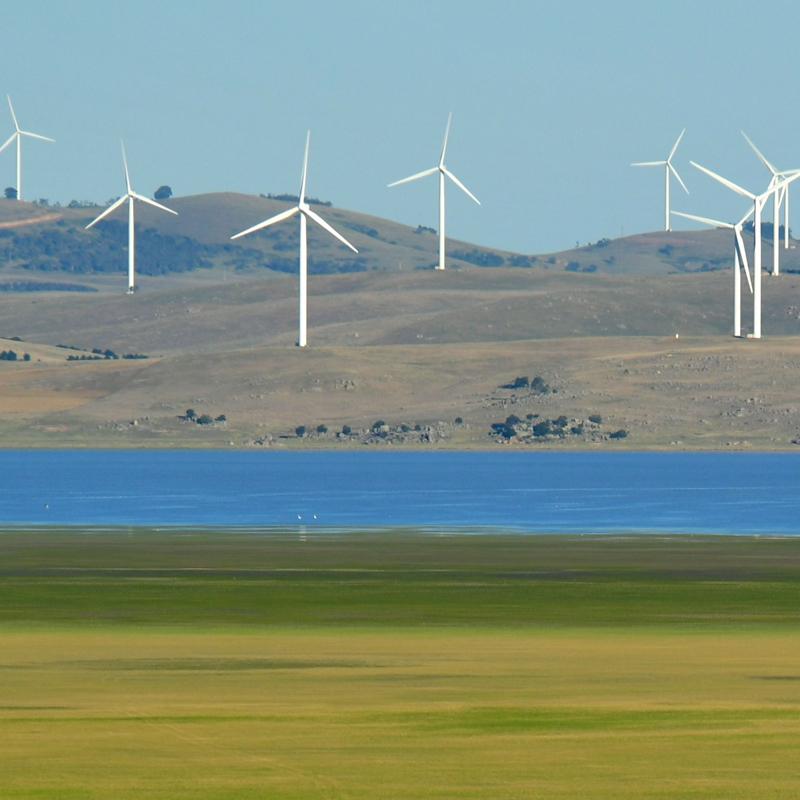
Table of contents
- Camp 1: the OGs of baseload power
- Camp 2: the renewable movement
- The catch: there is no free lunch
- The best source of electricity is the power we don’t use
- The bottom line
There is a hell of a lot of information and discussion out there right now about electricity and energy—how we generate it, where it comes from, and where we are heading. This isn’t just an Australian conversation; it’s a global one.
When you look at the debate, it usually splits into two highly polarised camps. On one side, you have the proponents of traditional, large-scale bulk electricity generation. On the other, you have the renewable energy movement.
But if we step back and look at the pure physics and economics of both sides, a fascinating picture emerges.
Camp 1: The OGs of baseload power
Let’s start with the traditional side. When it comes to bulk electricity generation, coal is the undisputed OG. For a long time, coal was king because it was cheap, plentiful, and easy to access—provided you built the power stations near the coal fields.
Then you have natural gas and diesel. Natural gas is a bit newer in the grand scheme of things because it relies on gas turbines to create that necessary spinning motion. Since their invention back in the 1930s and 40s, we’ve adapted that technology from aircraft and boats to power grids. Diesel generators operate on a similar timeline, using a non-renewable resource to create immediate, reliable power.
Sitting in this same camp—though a different beast entirely—is nuclear power. Developed around the same time as gas turbines, we figured out nuclear fission in the mid-20th century. While it has been used for armaments, it has also provided continuous baseload power globally since the 1950s.
The main perk of Camp 1? Reliability. If you have a continuous stream of fuel—whether chemical or nuclear—you can run these systems 24/7 … but creating and maintaining those supply lines can be very costly. If there is a break in supply then generation can be disrupted.
Camp 2: The renewable movement
Then we have the renewable energy side, which also has its own “OGs” and newer technologies.
The original renewable is undoubtedly wind power. Humanity has been using windmills and sails pretty much since we learned to walk. We figured out early on that the wind offers a free turning motion, famously utilized for centuries in places like Greece and the Netherlands to grind grain. Once you build the actual mechanics, the resource itself is free.
Next is hydro, where we convert stored potential energy from dams into electricity by speeding water through turbines.
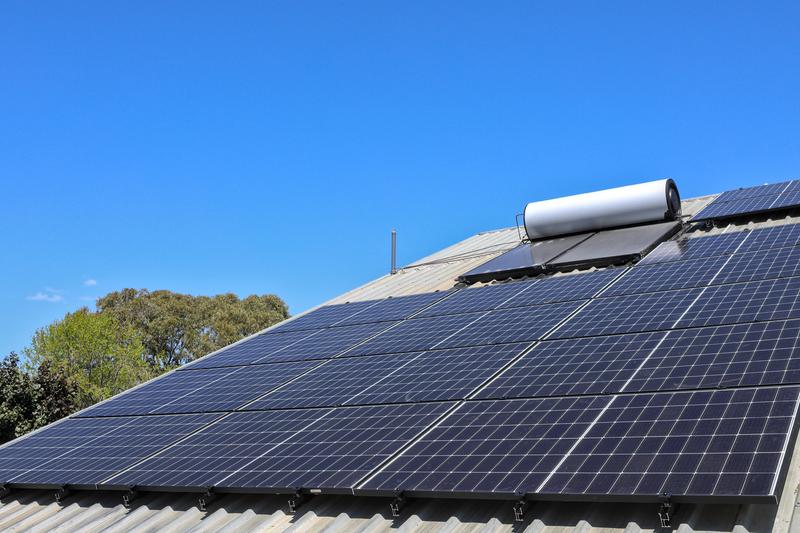
Solar power, by comparison, is much newer. It wasn’t until the 1960s and 70s that the science behind solar panels was fine-tuned enough to produce meaningful energy outputs. Today, it’s obviously one of the most popular forms of generation in the world.
Beyond wind and solar, we have options like geothermal energy (which is fantastic if you live somewhere with tectonic activity close to the surface, like Iceland or parts of New Zealand), as well as tidal power.
The obvious upside here is that the sun and the wind are entirely free. The downside? Reliability. If the sun doesn’t shine or the wind doesn’t blow, the system stops generating.
The catch: There is no free lunch
Here is the crux of the matter that often gets lost in the noise: with the exception of solar panels, almost all of these systems do the exact same thing.
Whether it is coal, gas, nuclear, or wind, they all generate electricity by spinning a giant turbine. That turbine spins massive magnets past incredible amounts of copper to create an electromagnetic field, which is then fed into the grid. We are constantly trying to convert one form of energy (heat, steam, or wind) into another (movement), just to get electricity.
And let’s be honest: our privilege to have a world powered by electricity comes at an incredibly high cost. No system is perfect, and over the long term, none of them are truly cheap.
-
Traditional fuels require a non-renewable, resource-heavy supply chain and complex, expensive engineering to keep running.
-
Wind turbines require massive amounts of space, access roads, and concrete. Because they endure insane structural stress, their lifespans are comparatively short. After 25 to 30 years, the concrete footings have shifted enough that you can’t just slap a new turbine on top of them.
-
Solar panels are incredibly clever because they convert sunlight directly into electrical energy without moving parts. However, they create Direct Current (DC), while our homes and industries run on Alternating Current (AC). So, yet again, we have to introduce expensive equipment (inverters) just to make another conversion.
All of these systems utilise incredible amounts of resources, maintenance, and monitoring to ensure the lights stay on.
The best source of electricity is the power we don’t use
Every path has its pros and cons. But there is a source of electricity that is better than all of those combined: energy efficiency.
Energy efficiency is simply about reducing the amount of electricity you need to produce the same result. As a species, we are actually incredibly good at this when we try. If you look at vehicles, trains, or appliances from 50 or 60 years ago, what was deemed “efficient” then would be considered horrifically wasteful today.
This is where my world comes in. As a building designer, I don’t just draw lines on a page to create a house; I design energy-efficient systems. The National Construction Code in Australia mandates that we design homes to hit higher efficiency standards. The goal is simple: use less energy, so we have to generate less energy.
When we design a structure to perform optimally, we drastically reduce your running costs over time. We do this through several key strategies:
-
Passive Solar Design: Orienting the building so it naturally utilises the sun to heat the home in winter and shield it in summer.
-
High-Quality Insulation: Slowing down the transfer of heat and cold from the outside to the inside.
-
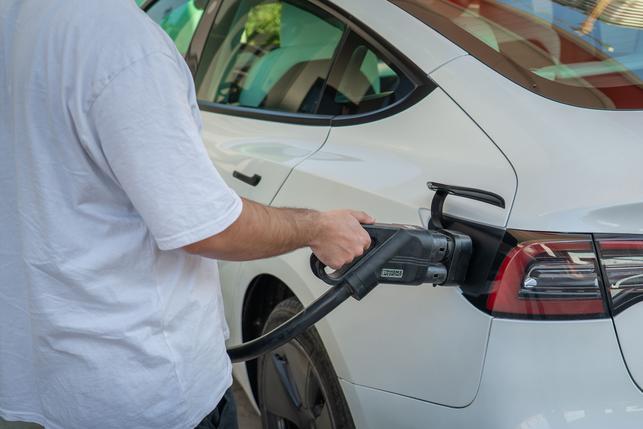
Smart Integration: Selecting energy-efficient appliances and designing the home to seamlessly integrate solar panels, batteries, and EV charging points to maximize free, localized energy.
The bottom line
At the end of the day, our world demands power. But at RD Building Design, our focus is delivering the highest level of energy efficiency possible within our clients’ briefs and budgets.
The cleanest, cheapest watt of electricity is the one you never have to pay for in the first place.
We will dive deeper into exactly how we deliver these passive and mechanical efficiencies in a future post, but for this one, I just wanted to share these thoughts. Thanks for reading!
Frequently Asked Questions
What is energy efficiency?
Energy efficiency means using less electricity to achieve the same result. A well designed home holds its temperature naturally, so heating and cooling systems work less and your running costs come down.
Why is energy efficiency important?
Every unit of electricity we generate carries a cost, whether that comes from fuel supply chains or the materials and maintenance behind renewable infrastructure. Using less energy takes pressure off the grid and keeps money in your pocket.
What is passive solar design?
Passive solar design orients a building so the sun warms it in winter while shading protects it in summer. It works around the clock with no mechanical systems, which makes it one of the cheapest ways to cut running costs for the life of the home.
How do I make my home more energy efficient?
Start with the building itself. Orientation and insulation do most of the heavy lifting, then energy efficient appliances take care of the rest. If you are building new or renovating, design these in from day one rather than retrofitting later.
What is baseload power?
Baseload power is the continuous electricity supply that keeps the grid running day and night. It has traditionally come from sources like coal and gas, which generate around the clock as long as fuel keeps flowing.
The information provided is for general information purposes only and does not constitute legal, financial, or professional advice. While care has been taken to ensure accuracy, the information may not be complete, current, or applicable to your specific situation. You should always do your own research and, where appropriate, seek advice from a qualified professional before making any decisions based on this information.
Recent Blog Posts

Tell us what you are planning
Planning a new home or renovation? Talk to us about a design that costs less to run.