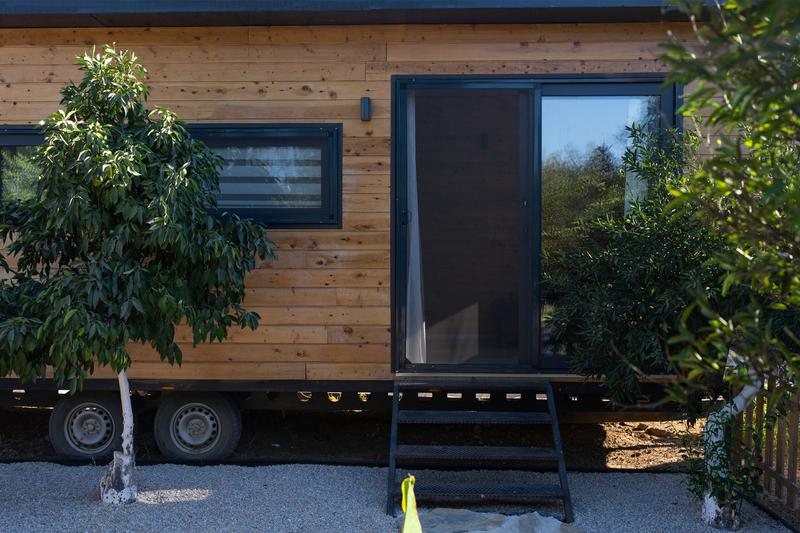
Tiny homes in Australia and the caravan trap that just cost one couple their house
A New South Wales court has ruled that a tiny home on wheels is legally a caravan, and that decision changes what you can build on your own block.
Sep 14, 2026 | Rhys Davies
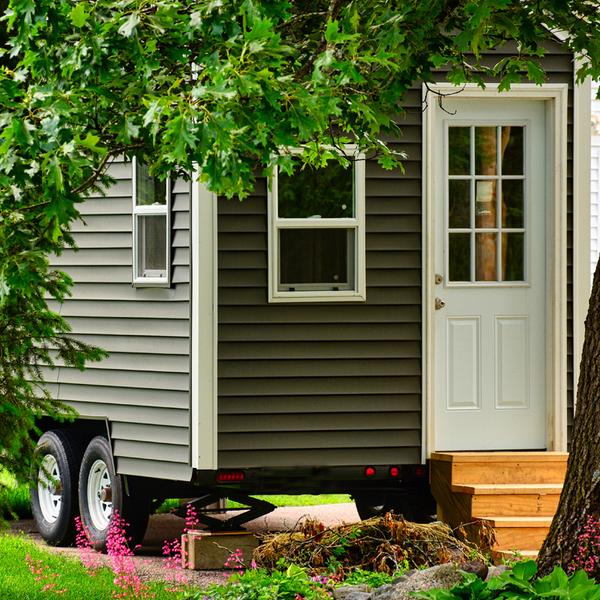
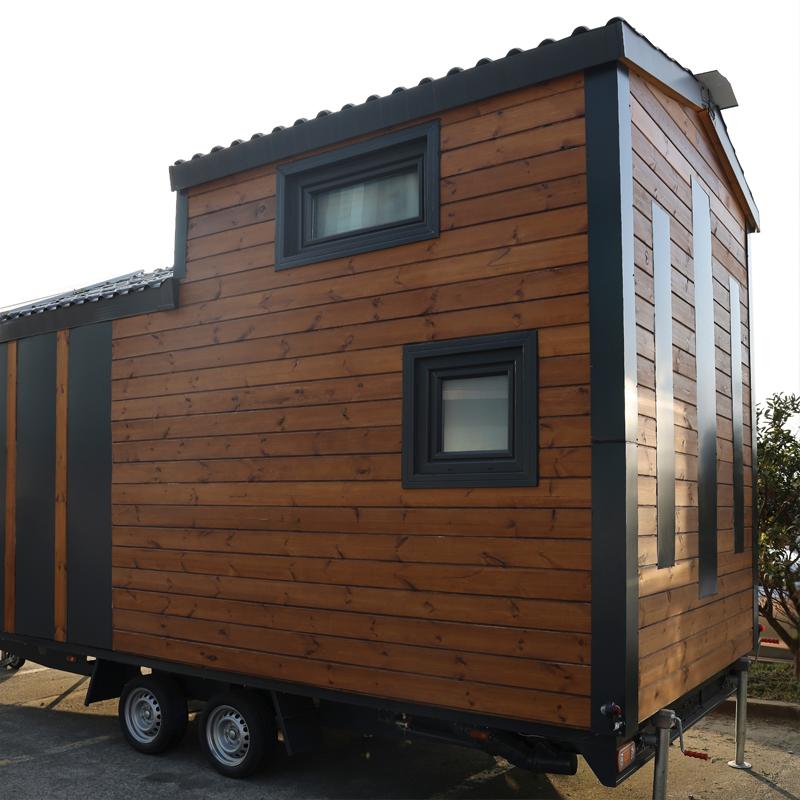
Table of contents
- The engineering gap between tiny homes and fixed dwellings
- Bushfire risk and insurance hazards
- Secondary dwellings compared with tiny homes on wheels
- What your best first step should be
A recent Land and Environment Court ruling in New South Wales has unsettled the tiny home movement across Australia. Following an ABC News report on 12 September 2026, a couple who had been living in a double-storey tiny home on wheels since 2023 lost their legal battle against local council orders to vacate and demolish the structure. The court ruled that a tiny home on wheels legally falls within the definition of a caravan, which means it cannot be used to sidestep local planning laws or development approval requirements.
The mobility of a tiny house on wheels offers real freedom, and it also creates a regulatory divide between movable structures and permanent dwellings. If you are weighing up tiny homes in Victoria and want to add a small home to your land, understanding these technical and legal boundaries puts you in a far stronger position before you spend anything.
The engineering gap between tiny homes and fixed dwellings
Permanent houses built under the National Construction Code (NCC) must adhere to strict structural standards. They require comprehensive site preparation, including earthworks, soil testing, engineered footings, stormwater drainage, sewerage connections, and termite management. A permanent home’s bracing system is also designed specifically for its fixed orientation to resist gravity and local wind loads.
Because tiny homes on wheels are classified as caravans, they are exempt from meeting these rigorous NCC standards. That exemption comes at a cost to structural permanence.
- Dynamic wind loads. A movable structure cannot meet permanent NCC structural standards because its orientation and wind load profile change every time it moves.
- Footing limitations. Without fixed footings or site-specific engineering, tiny homes stay vulnerable to severe weather events compared with permanent buildings.
Bushfire risk and insurance hazards
Many tiny home owners choose to place their dwellings in rural farmland or bushland settings. For traditional homes, building in a Bushfire Attack Level (BAL) zone, which ranges from BAL-12.5 up to Flame Zone, requires strict construction measures. High-rated zones often demand specialised fire-resistant cladding, toughened glass, and sometimes dedicated bushfire shelters.
Tiny homes on wheels raise particular safety and insurance concerns in these environments.
- Flammability. Mobile structures are often built with lightweight materials that do not meet high BAL construction standards.
- Fuel sources. Many tiny homes rely on onboard LPG gas bottles, which add an explosion hazard during a bushfire.
- Insurance coverage. Insurance providers are increasingly hesitant to cover unregistered, mobile, flammable structures placed in high-risk fire zones.
Secondary dwellings compared with tiny homes on wheels
Adding to your property calls for clear expectations about what a professional can legally design and certify.
- Tiny homes on wheels. Registered building designers cannot legally certify or sign off on tiny homes on wheels as compliant permanent dwellings. They can provide basic drafting documentation, and full compliance certification sits outside their professional scope.
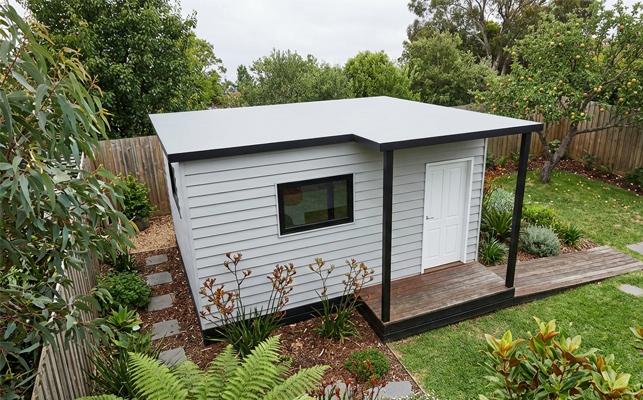
- Permanent secondary dwellings. Most Australian states allow secondary dwellings, often called granny flats (usually between 60 and 70 square metres), on residential properties. These are fully engineered, site-prepared, and built to meet NCC structural and bushfire compliance standards.
The differences show up across almost everything that decides whether a build stands.
| Feature | Tiny home on wheels | Permanent secondary dwelling |
|---|---|---|
| Legal classification | Caravan | Fixed dwelling, Class 1a |
| Building permit | Not required | Required, issued against the NCC |
| Structural standards | Exempt from the NCC | Full NCC and Australian standards |
| Bushfire (BAL) compliance | Rarely met | Built to the site BAL rating |
| Insurance | Increasingly hard to cover | Insurable as a home |
| Finance | Personal or caravan finance | Mortgage or equity release |
| Permanent living | Occupancy often capped by council | Approved for full-time living |
| Resale value | Leaves with the owner | Adds value, tied to the title |
A permanent secondary dwelling does not have to mean a slow, conventional build. Our modular Boxed Buildings use structural insulated panels that arrive as a kit and go up in roughly half the time of a traditional build, while still meeting the code as a fixed dwelling.
What your best first step should be
If you want to expand your living space or build a small retreat, your best first step is to talk with a registered building designer who knows your local council. A proper site assessment tells you what your block allows, where a structure can sit, and whether any overlay or covenant stands in the way before the first trade arrives.
For homeowners across the western suburbs, from Sunshine to Hoppers Crossing, that early check is what keeps a project on solid legal footing and properly insured. Getting the boundaries right at the start is how a small second home becomes an asset rather than a demolition notice.
Frequently Asked Questions
Do you need council approval for a tiny house in Australia?
A tiny house on wheels is usually treated as a caravan, so you generally do not need a building permit to own one, but most councils limit how long you can live in it on a block without approval, and the rules vary between council areas. A fixed tiny home or secondary dwelling does need council approval and must meet the National Construction Code.
Can you live in a tiny house permanently?
Living permanently in a tiny house on wheels is restricted across most of Australia because it is classified as a caravan rather than a dwelling, and councils often cap continuous occupancy at a set number of days each year. For permanent tiny house living, a fixed secondary dwelling built to code is the dependable path.
How much does a tiny house cost in Australia?
A tiny house in Australia typically costs between $60,000 and $150,000 depending on size, finish, and whether it is a kit or a turnkey build, while a fully engineered secondary dwelling usually starts higher once site works and service connections are included. Kit-based builds using structural insulated panels can bring down both the price and the build time.
What is the difference between a tiny home and a granny flat?
A granny flat is a permanent secondary dwelling fixed to the ground, engineered to the National Construction Code and approved by council, while a tiny home on wheels is registered as a caravan and sits outside those standards. A granny flat can be insured and financed, and it counts as habitable floor space, in a way a movable tiny home cannot.
What size can a secondary dwelling be in Victoria?
Victoria allows a small second dwelling of up to 60 square metres on many residential lots, and recent planning changes let eligible homeowners add one without a planning permit, although a building permit and code compliance still apply. Larger secondary dwellings remain possible with a planning permit depending on your zone and lot size.
Where can you legally put a tiny house on your property?
In most council areas you can park a tiny house on wheels on your own land as a caravan, though many councils only allow it to be lived in for a limited period unless you gain approval. Placing a permanent tiny home means meeting setback and drainage rules, plus any bushfire measures required for that site.
Can you get finance or a home loan for a tiny house?
Lenders rarely offer a standard home loan for a tiny house on wheels because it has no fixed title and is classed as a vehicle, so buyers often rely on personal or caravan finance instead. A permanent secondary dwelling attached to your property title can be funded through a regular mortgage or an equity release.
How long does it take to build a modular secondary dwelling?
A modular or panel-built secondary dwelling can be ready in roughly half the time of a conventional build, because the structure is manufactured off site while the site works happen in parallel. Structural insulated panels arrive as a kit and are assembled by your trades, which shortens the stretch from approval to move-in.
Do tiny homes have to meet the National Construction Code?
A tiny home on wheels is exempt from the National Construction Code because it is registered as a caravan, which is the reason it cannot be certified as a permanent dwelling. The moment a small home is fixed to footings and connected to services it becomes a Class 1a or Class 10a building and must meet the full code and Australian standards.
Does a granny flat or secondary dwelling add value to your property?
A permanent, council-approved secondary dwelling generally adds resale value and can earn rental income because it is legal habitable space tied to your title, unlike a movable tiny home that leaves with its owner. Buyers and valuers count a compliant granny flat as part of the property, which a caravan-classed tiny house never is.
The information provided is for general information purposes only and does not constitute legal, financial, or professional advice. While care has been taken to ensure accuracy, the information may not be complete, current, or applicable to your specific situation. You should always do your own research and, where appropriate, seek advice from a qualified professional before making any decisions based on this information.
Recent Blog Posts
Tell us what you are planning
RD Building Design helps homeowners across Melbourne's western suburbs work out whether a permanent secondary dwelling suits their block, then handles the design and permits. If you are weighing up a small second home, we can tell you what is possible before you spend anything.